Managing Extreme Heat
If you’re not used to dry, intense summer heat, traveling in Spain and Turkey can be a big adjustment. Afternoon temperatures often climb well into the 90s, and the combination of full-day activities, direct sun, and unfamiliar routines can catch up with you fast.
This section is here to help you take care of yourself. That means staying ahead of dehydration, dressing for both the weather and the setting, knowing when to slow down, and recognizing early signs of heat exhaustion.
If you pace yourself, stay hydrated, and listen to your body, you’ll be much more able to enjoy the experience fully!
Hydration Comes First
Staying hydrated in a hot, dry climate isn’t as simple as just drinking a little water here and there. When you’re out in high temperatures—especially while walking, sweating, or adjusting to a new schedule—your body loses more fluid than you might expect, and it happens fast.
If you’re someone who forgets to drink water during the day at home, this is something to be especially mindful of. Dehydration can lead to headaches, dizziness, fatigue, nausea, and even more serious symptoms if left unaddressed. And by the time you feel thirsty, you’re already behind.
Some key strategies:
-
Carry a reusable water bottle every day.
-
Start early—drink water in the morning before leaving your accommodation, not just once you’re already overheated.
-
Don’t wait until meals to drink—sip throughout the day.
-
Bring electrolyte packets or tablets (like Liquid I.V., Nuun, or DripDrop). These can help replenish salt and minerals lost through sweat and are useful if you’re feeling sluggish or have had a long day outside.
You may not feel like you’re sweating much in dry heat, but you’re still losing fluid. Keeping up with hydration is one of the best things you can do to prevent heat exhaustion and stay functional throughout the trip.
Food, Salt, and Sustaining Energy in the Heat
In intense heat, it’s common to feel less hungry, but your body still needs energy, especially when you’re walking more, sweating more, and adjusting to a new environment. Skipping meals, eating too little, or going too long without food can make you feel lightheaded, irritable, or even physically sick.
 It’s not just about calories—it’s also about salt. When you sweat, you lose electrolytes (especially sodium), and without replacing them, you may feel weak or dizzy even if you’re drinking enough water.
Some ways to support yourself:
-
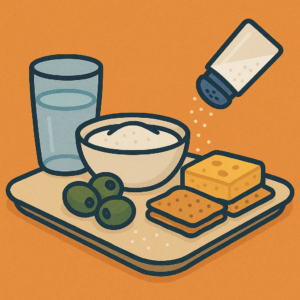
Eat something at every meal, even if it’s small. If you’re not hungry, focus on salty or protein-rich snacks—crackers, olives, cheese, nuts, or yogurt.
-
Don’t skip breakfast before a long day. A light but solid meal in the morning helps prevent crashes later.
-
Listen to your body, not just your appetite. If you’re shaky, lightheaded, or feeling off, a salty snack and water can help regulate you.
-
Take breaks to eat even if others aren’t hungry yet. Everyone’s body is different—advocate for what you need.
Eating enough, especially in the heat, isn’t indulgent. It’s how you keep yourself steady, responsive, and able to engage with the experience in front of you.
Dress for Heat, Movement, and Context
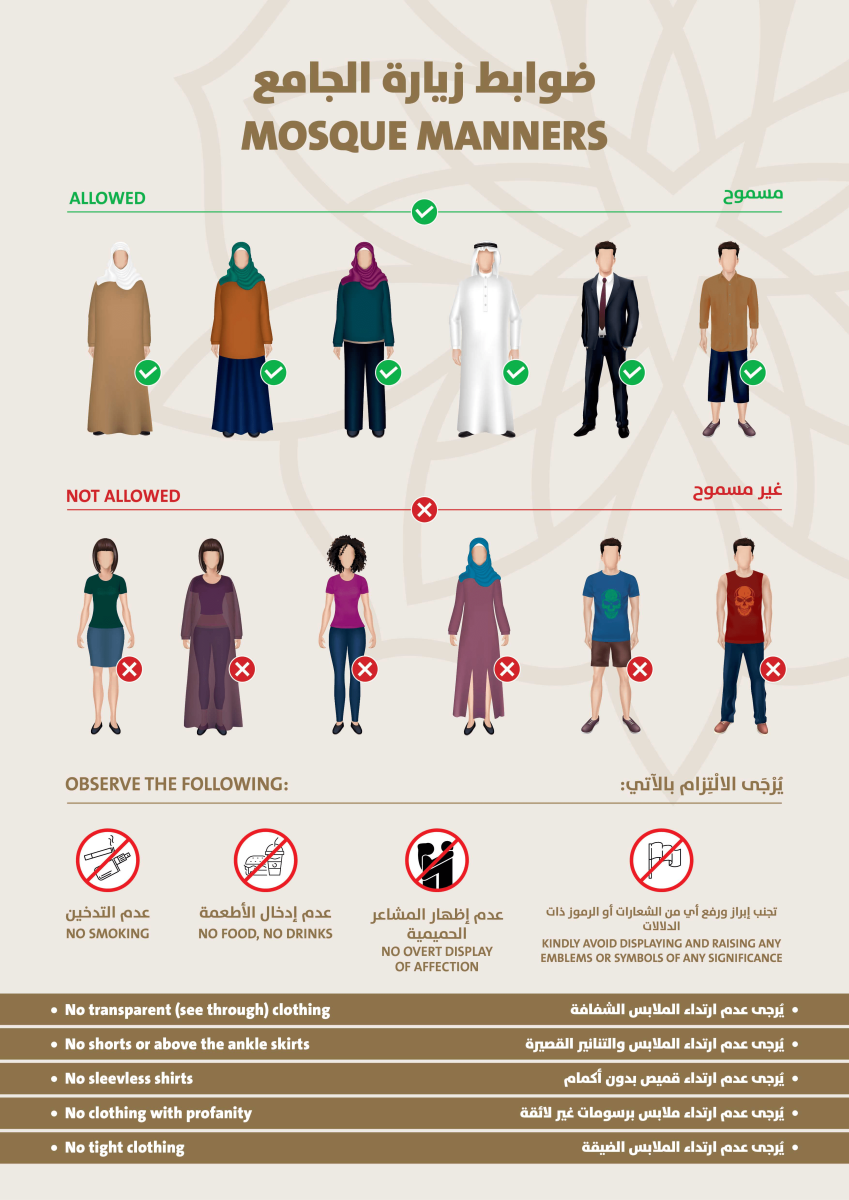
Packing for summer travel isn’t just about staying cool—it’s also about staying comfortable and being respectful of the settings we’ll be visiting. In both Spain and Turkey, you’ll encounter spaces that expect modest dress (especially religious or historic sites), and you may be walking longer distances than usual in direct sun.
Some clothing tips:
-
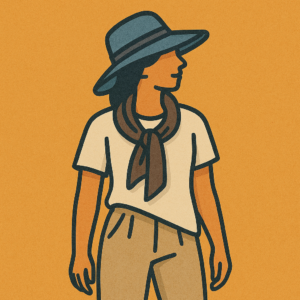
Loose, breathable fabrics (cotton, linen, moisture-wicking materials) help your body release heat.
-
Light colors reflect the sun better than dark ones.
-
Avoid heavy denim or tight-fitting clothes, which trap heat and can lead to overheating.
-
Bring layers—a lightweight scarf, overshirt, or loose pants can quickly make your outfit site-appropriate without making you overheat.
-
Comfortable shoes are essential—blisters and heat don’t mix well.
Dressing with flexibility means you’re ready for the full range of experiences, without being caught off guard or uncomfortable.
Sunscreen, Hats, and Sunglasses: Non-Negotiables
When the sun is strong, especially in dry heat or reflective urban environments, sun protection isn’t just about comfort—it’s about keeping your body from getting overstressed. Even if you don’t usually burn, exposure over long days outdoors can lead to exhaustion, headaches, and skin damage.
Some essentials: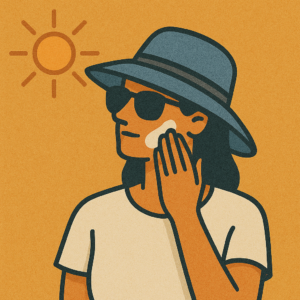
-
Sunscreen goes on every morning—ideally SPF 30 or higher. Reapply during the day, especially if you’re sweating or wiping your face.
-
Don’t forget often-missed areas: the backs of your hands, neck, ears, and part lines in your hair.
-
A lightweight hat with a brim offers real relief. It keeps the sun off your face and neck and helps prevent overheating.
-
Sunglasses protect your eyes from UV rays and reduce the strain of squinting in bright light all day.
These aren’t extras—they’re tools to help your body manage the heat and stay functional. They’ll also make you feel a lot more human by the end of a long walking day.
Recognize Early Signs of Overheating
Heat exhaustion can start quietly. You might think you’re just tired or distracted, but the signs often creep in. The key is to notice early and act before it escalates.
Things to watch for:
-
Headache or pressure behind the eyes
-
Dizziness, unsteadiness, or “spaced out” feeling
-
Nausea or loss of appetite
-
Excessive sweating—or, in later stages, a sudden stop in sweating
-
Cold, clammy skin despite the heat
-
Mood shifts: irritability, confusion, emotional sensitivity
If you notice any of these in yourself or someone else:
-
Stop and sit down in a shaded or air-conditioned spot.
-
Drink water, ideally with electrolytes.
-
Cool your body—fan yourself, loosen clothing, splash water on your face or neck.
-
Tell someone—don’t wait it out alone.
Your well-being matters more than pushing through an itinerary. Getting ahead of symptoms keeps you safer and steadier
Give Your Body Time to Adjust
Even if you’re generally active, traveling in an unfamiliar climate, especially one that’s hotter and drier than you’re used to, can be physically taxing. Add in long walking days, shifting sleep patterns, and a different diet, and it’s a lot for your body to adapt to.
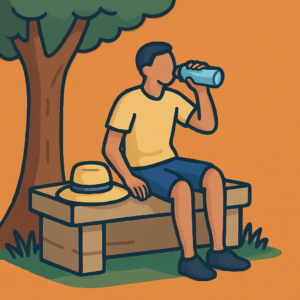 Some things to keep in mind:
-
The first few days might hit hardest—let your system adjust.
-
Rest isn’t falling behind—it’s what makes the rest of the trip sustainable.
-
Everyone’s tolerance is different—if others seem fine and you’re struggling, that doesn’t mean you’re doing anything wrong.
-
Listen to what you need, even if it’s just 15 minutes to lie down, a snack, or a change of clothes.
You don’t need to be at full speed every moment to have a meaningful experience. Being present, honest with yourself, and willing to recalibrate is key!